Focusing on Places That Drive Crime.

Data, Place, and Prevention
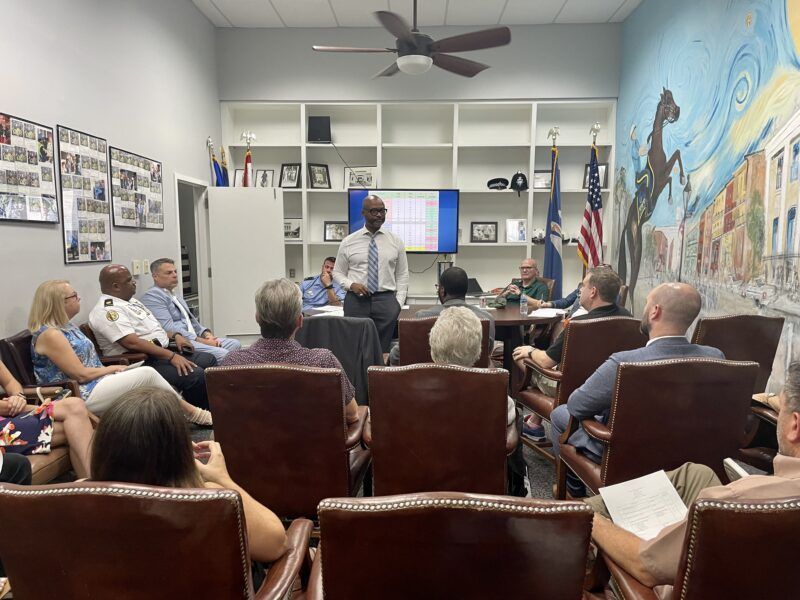
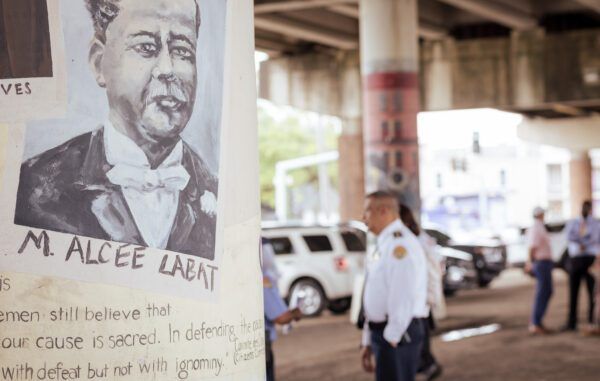
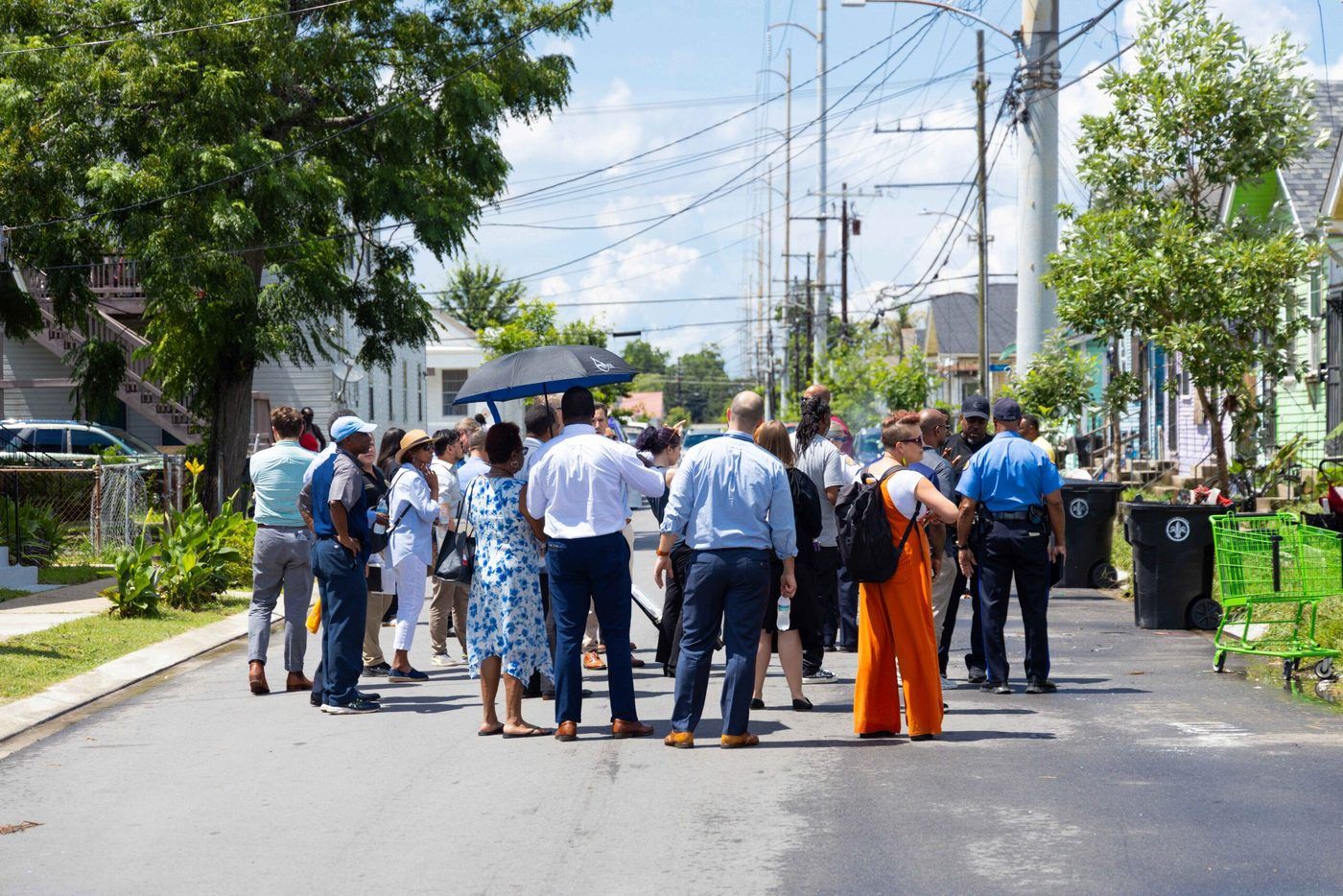
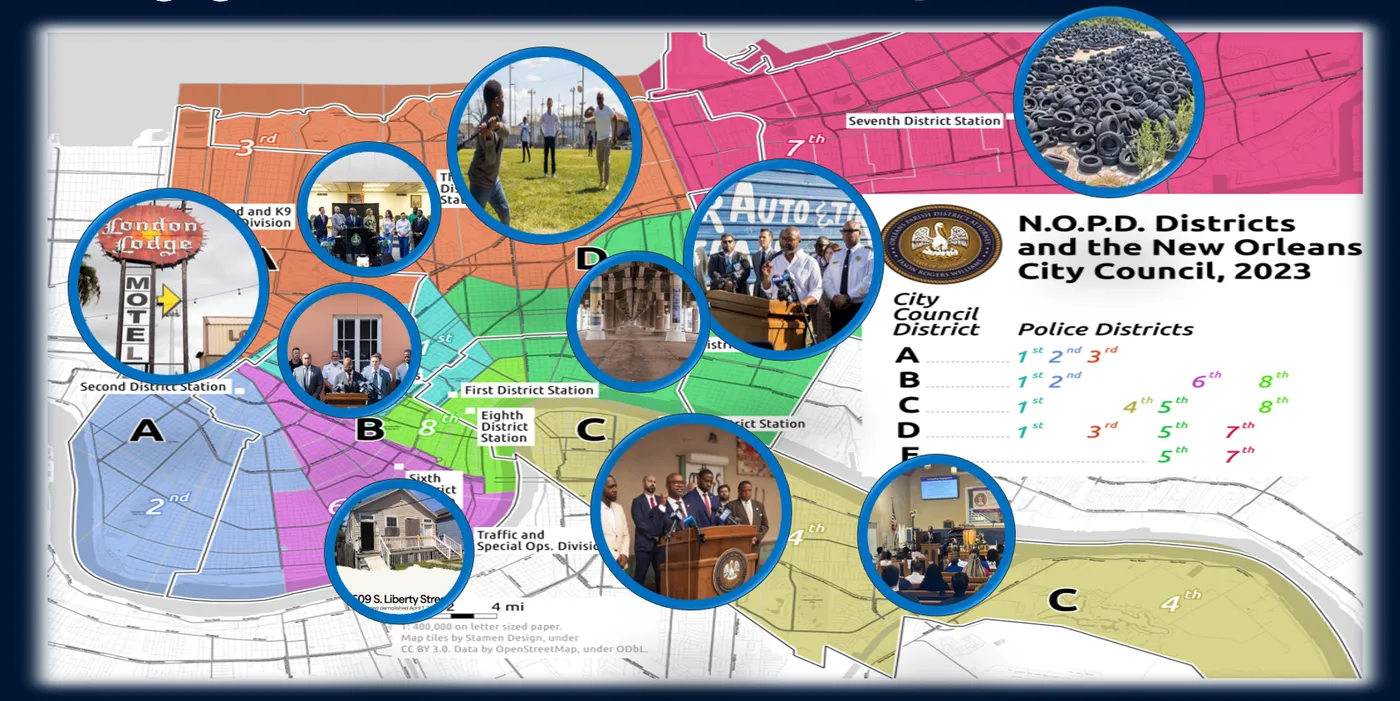
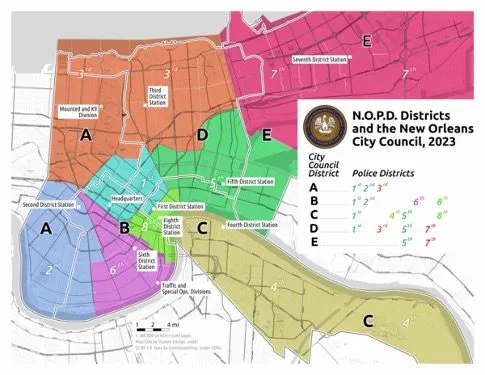
N.O.D.I.C.E. prioritizes public safety, quality-of-life, community, and economic-development resources in specific geographic locations where physical and environmental conditions make crime more likely to happen.
What is Risk Terrain Modeling?
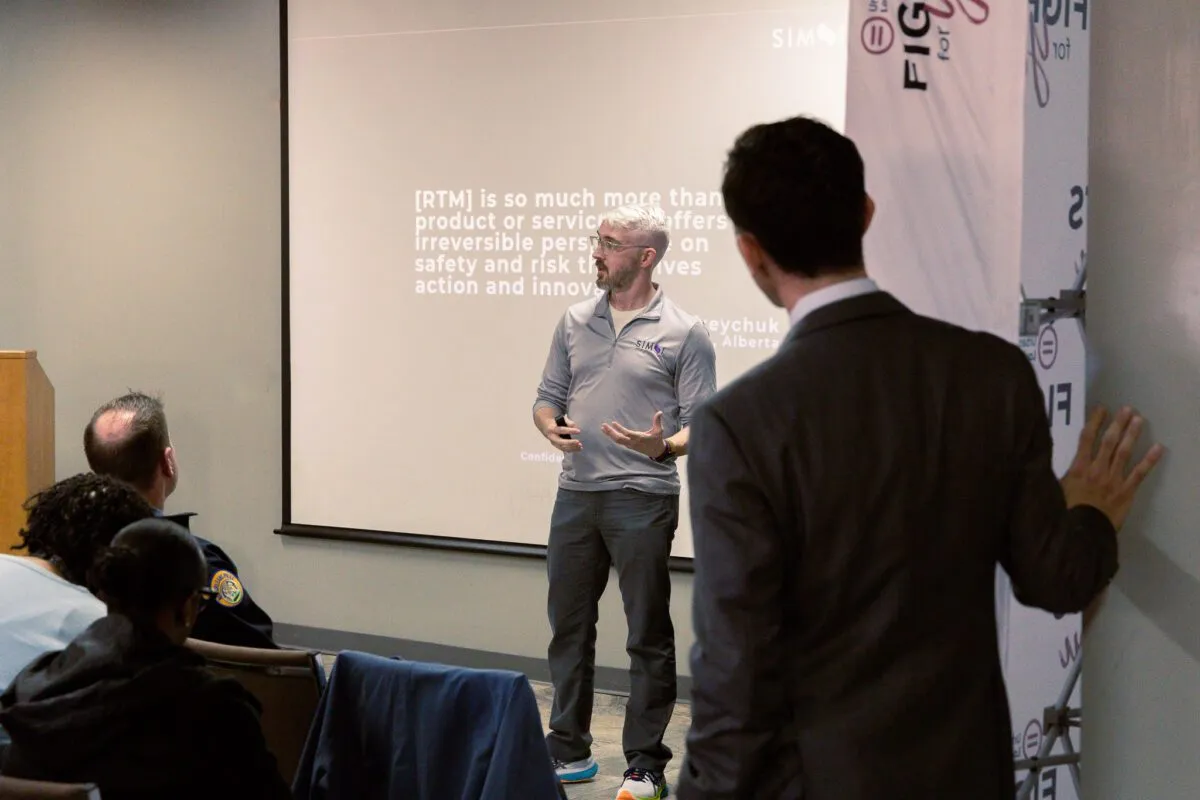
Risk Terrain Modeling (RTM) is a spatial analytics tool that diagnoses environmental and geographic risk conditions across neighborhoods. By analyzing physical features such as vacant properties, lighting, and commercial density, RTM identifies micro-locations with elevated risk.
RTM is Not Predictive Policing
RTM is fundamentally distinct from predictive policing. It does not use algorithms to profile or predict which individuals will commit crimes. Instead, RTM diagnoses environmental conditions in places to enable proactive, multidisciplinary prevention and community investment.
The Six Principles of DICE
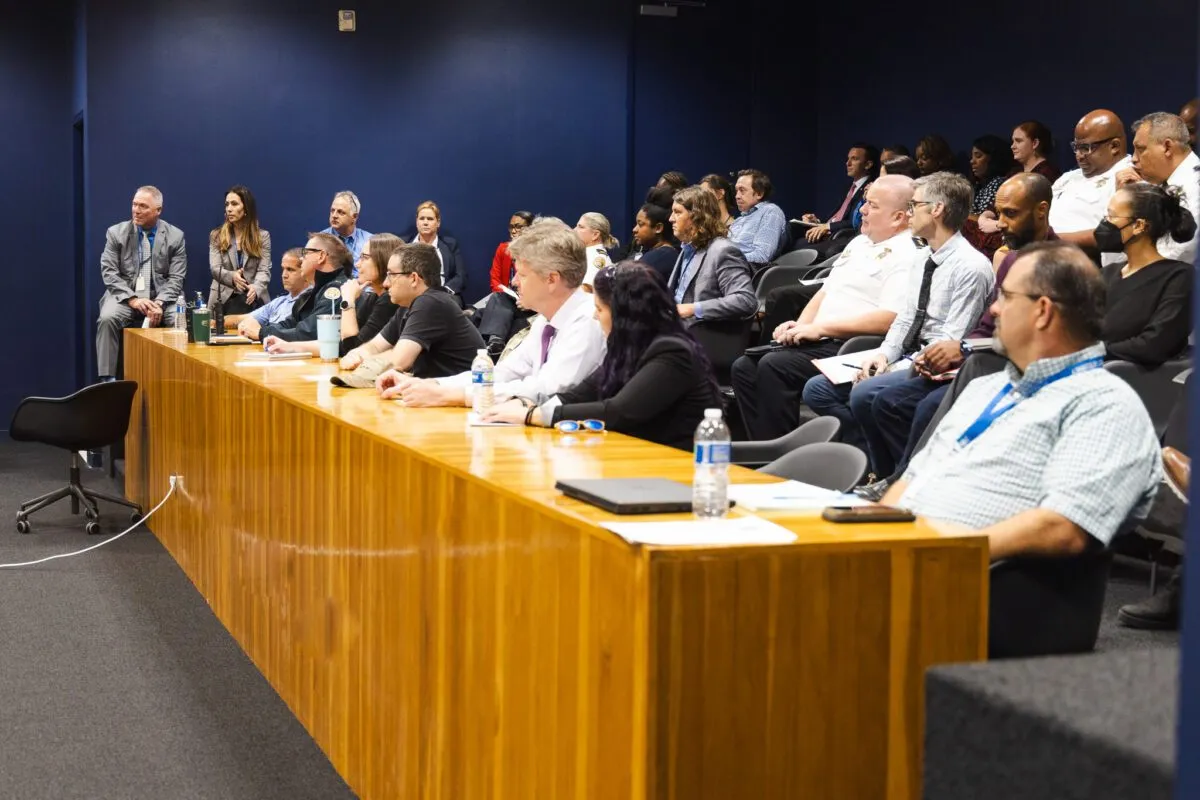
Convene local stakeholders for a data-informed discussion.
Democratize the use of data and place-based analytics.
Solicit and value community, business, government, and law-enforcement input.
Make transparent data-informed decisions after defining the problem and analyzing information.
Mobilize community resources and expertise to solve pressing crime issues.
Empower community organizations as co-producers of public safety.
DICE combines quantitative spatial analytics with qualitative community knowledge, sharing the essential work of crime prevention among diverse public and private partners.
Professional Leadership and Continuous Learning
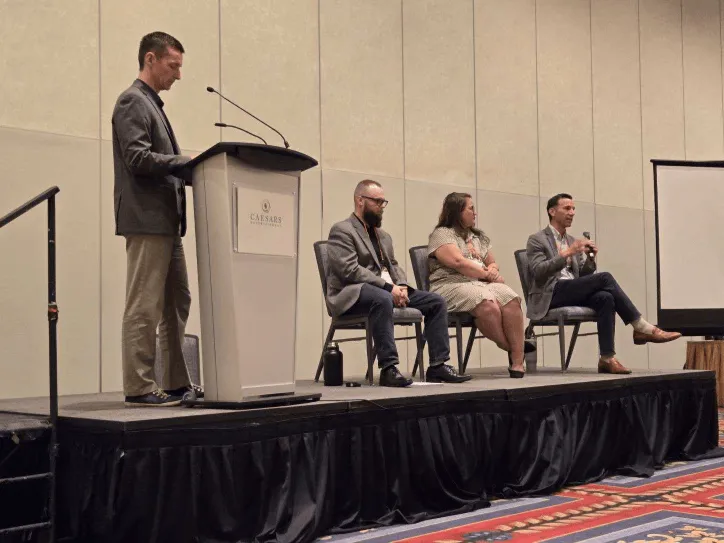
The International Association of Crime Analysts (IACA) supports training, networking, publications, and professional standards for crime analysts worldwide, advancing evidence-based crime prevention and analytical rigor.
Safer places require coordinated action.
We invite residents, business owners, and community partners to share neighborhood safety concerns or collaborate with OPDA on place-based crime prevention.
WDSU N.O.D.I.C.E. Interview — Part 1 → · WDSU N.O.D.I.C.E. Interview — Part 2 → · Learn about IACA → · Contact OPDA · Explore Programs
Imported from the Webflow draft - copy not yet reviewed.